
A few days ago, a prominent goalkeeping coach I’m connected to on LinkedIn posted a video of a league game that involved EFL League 1 Cambridge United. The goalkeeper made a double save in a sequence of first diving low to his left to a goal bound shot, which he parried away into the danger zone but quickly got up and launched into another low dive to smother the ball from the incoming striker, who initially thought was on for the rebound to score. The goalkeeping coach made an observatory comment.. you cannot coach bravery! This is exactly one of the major traits that has significantly eroded away from the modern-day goalkeeper, especially at the elite level, due to the introduction of “upgraded” technical skillsets that claim to be risk-averse with a better conversion rate.
Goalkeeping has undergone significant evolution from traditional methods, but the key question is how this evolution has influenced the development of goalkeeping at the elite level. Before exploring this complex topic, I’d like to share a 7-minute compilation video that showcases the pure essence of goalkeeping mastery by one of the most underrated and often overlooked players, Bernard Lama. Although he faced challenges throughout his career, it’s undeniable that the former French international possessed a unique talent for goalkeeping that remains unparalleled to this day.
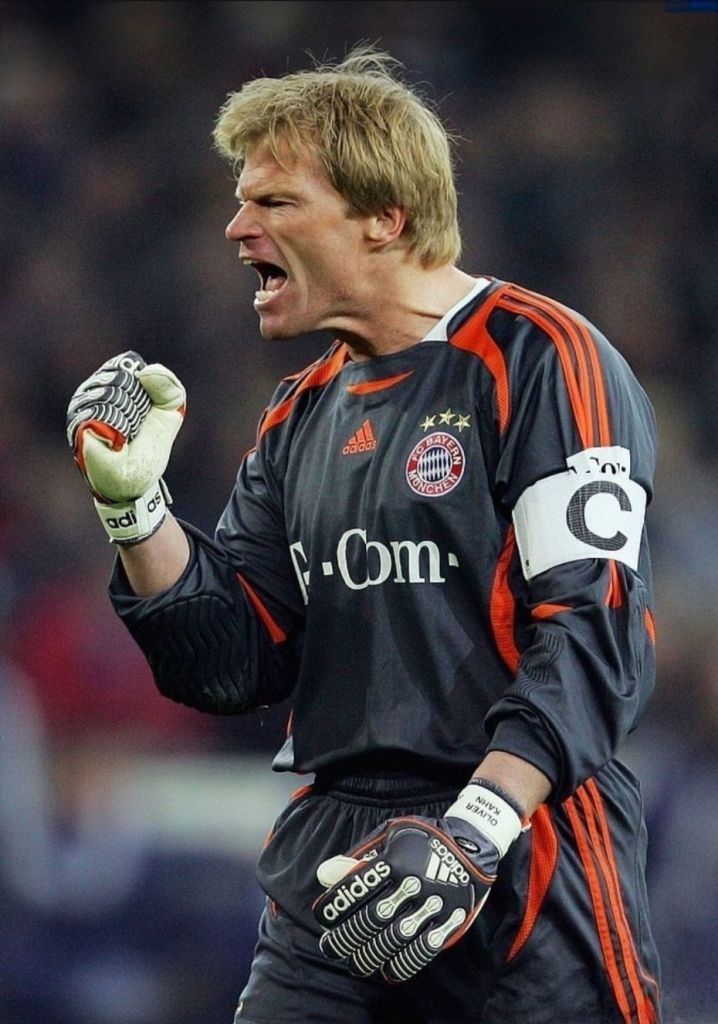
There’s no denying that past greats like Pat Jennings, Neville Southall, Peter Schmeichel, Petr Cech, Gianluigi Buffon, Thomas N’Kono, Andoni Zubizarreta, Iker Casillas, Manuel Neuer, Oliver Kahn, and many others have made significant contributions to the evolution of goalkeeping and deserve recognition. However, the real concern arises when the football ecosystem engages in practices of institutional bias or, worse, professional marginalization. If this is the case, can we truly believe that the art of goalkeeping is naturally progressing? We must remain vigilant about the narratives being promoted, as the established information, based on hypotheses and theories, is shaping the minds and belief systems of future generations of goalkeepers. Due to these concerning issues, a multitude of new-age goalkeeping training methods are being introduced by self-proclaimed social media “goalkeeping gurus” who have limited understanding of the optimization and management of a goalkeepers physical conditioning and the complexities of human capabilities. Within the realm of professional coaching, entrenched philosophies and rigid ideologies regarding goalkeeping training methods are falling behind the evolutionary curve, largely due to a lack of open-mindedness, as I will elaborate later.
There has been extensive debate within the goalkeeping community about the significant evolution of the position over the decades, and this progress is certainly commendable. In fact, I wholeheartedly agree to some extent, having witnessed these changes first-hand since I fell in love with the art of goalkeeping at the age of eight and now find myself in middle age. One thing I’ve learned is that everyone involved in goalkeeping—whether amateurs, professionals, former players, coaches, pundits, or commentators—has their own philosophical beliefs about the art of goalkeeping. These beliefs and philosophies are shaped either by their natural ability and experiences in goalkeeping or by the training and education they’ve received in the field of goalkeeping. I belong to the former group, and this is where things get interesting, as the views expressed here are often more robust and can sometimes be seen as either incomprehensible jargon or, in extreme cases, overly assertive. In any case, opinions, contributions, and insightful information serve to open the spectrum of endless possibilities that are yet to be explored, so in my assessment between the golden and modern age, I will focus on the three faculties that drive evolution to the benefit of mankind, namely: –
- Mind
- Body
- Spirit
Mind
This refers to the intellectual and cognitive evolution of humans, encompassing the development of consciousness, reasoning, problem-solving abilities, and emotional intelligence. The progression of the mind reflects advancements in knowledge, understanding, creativity, and psychological well-being. It also includes the ability to reflect on oneself and the environment, fostering self-awareness and critical thinking.
When this comprehensive definition of the mind is applied consistently, then the scope of the art of goalkeeping becomes broader in the context of the desire to become more. One of the common traits that is widely recognized is the need to develop a strong mindset to deal with inevitable setbacks, but in what context are we actually referring to? Having a callous setback mindset immediately after a lapse, moving on, not dwelling on either a mistake, conceding goals, dealing with personal issues, outward negative noises, feedback, etc is just one part of the equation. It is the callous comeback mindset that will defy the rate of progress in one’s growth and development in skillset abilities, but few professionals and disappointingly elites are aware of this. This is evident from the reoccurring setbacks manifested from unreviewed attitudes in connection with the discipline of skillset abilities. For example, it would be a wise decision to review one’s approach, deploying a particular technical skillset when faced with 1 vs 1 scenarios that statistically tends to yield unfavorable results, assuming the revision includes an analysis of data metrics. There are many such examples in different scenarios, but the underlying issue is the lack of awareness of a problem that, on the surface, seems rather innocuous. We would expect goalkeeping coaches to be the masters of attention to detail, but generally, that isn’t that case as they rely on verbal tuition and instructions and rarely are able to physically and mentally demonstrate with conviction exactly the quality of output they expect from their goalkeepers. This is where the callous comeback mindset lags, creating a false perception of evolution in the modern game.
Body
This aspect pertains to the physical evolution of humans, including changes in physiology, health, and physical abilities. The evolution of the body is linked to better survival mechanisms, physical resilience, and overall well-being. This includes not only physical health and strength but also the refinement of sensory perceptions and the body’s capacity to maintain stability and adapt to environmental challenges.
In goalkeeping, it’s crucial to understand the importance of connecting the mind and body, as every action begins in the mind before it manifests physically. Therefore, being aware of your beliefs about life, yourself, and your abilities is essential. Reaching peak performance in goalkeeping is a straightforward process, but it’s not easy—it demands deep self-reflection, honesty, and a commitment to the hard work that drives growth. When needed, unconventional problem-solving approaches can significantly enhance progress. All in all, the artform must evolve, and the concept of mind is in the epicentre of creation, as Mark Twain so eloquently stated.. “Age is an issue of Mind Over Matter. If you don’t mind, it doesn’t matter. “
Because we as a species do not fully utilize the mind as widely acknowledged by the scientific community, our ability to troubleshoot is significantly compromised. This has led to the creation of fads like technological gimmicks and new-age goalkeeping techniques that often have minimal impact or, in some cases, produce negative outcomes that can hinder the evolutionary process. Conversely, significant progress is being made in developing comprehensive physical conditioning programs tailored specifically for elite athletes striving to reach their full potential in their respective fields. Programs such as plyometrics, strength and conditioning training, and yoga play pivotal roles in shaping the evolution of goalkeeping. These programs should be prioritized when integrated with goalkeeping skills to achieve the best possible outcomes.
Spirit
In this context, the spirit refers to the evolution of consciousness beyond the mind, often associated with the development of a sense of purpose, meaning, and connection to something greater than oneself. It embodies spiritual growth, ethical development, and the pursuit of higher values such as compassion, empathy, and kindness. The evolution of the spirit is seen as the deepening of inner life, fostering a sense of unity, inner peace, and interconnectedness with others and the universe.
This final aspect of discipline is crucial to achieving mastery in any field, especially in the art of goalkeeping, where its importance cannot be overstated. Paradoxically, it is often the least appreciated and, to some extent, relegated to the realm of myths and fantasies. This is particularly true in Western culture, where spirituality is dismissed and ridiculed as outdated folklore, largely due to the rise of “science,” which has been adopted as the new belief system. Science, by definition, is an evidence-based practice grounded in logic, which is why spirituality is often criticized as lacking proof and being irrational. Little does one know that this form of ideology creates potential blind spots in perception, which inadvertently limits the boundless form of evolution. To expand on this philosophical theory, many in the professional game believe that goalkeeping skills, particularly in terms of shot-stopping, have reached a plateau. They support this view with statistical data and scientific analysis. However, these conclusions are grounded in logic. The creative mind, on the other hand, is boundless—fluid, like water and.. spiritual. When I claim that the art of goalkeeping is at a pivotal moment, the response from the goalkeeping community is largely muted. We are in an era where the focus of elite clubs is on winning matches and satisfying stakeholders as a trade-off for quality entertainment because of the insanely amount of money in the industry.
In today’s world, an elite goalkeeper signs a multimillion-pound contract spanning five years or thereabout, alongside commercial deals and sponsorship, in return for services as a seasoned professional. Media commentary, pundits, and the goalkeeping community often delves into the intricate details of such agreements and are in support, particularly in relation to the current market value. If this is the norm, then achieving goalkeeping mastery on a spiritual level must be considered invaluable when compared to these prevailing standards. Simply put, the more money that flows into the game, the less motivated the elites and professionals seem to be in striving to reach their full potential. As a result, the process of evolution within the game is stunted. Consequently, the next generation of goalkeepers will become the product of a system built on a shaky foundation.
Conclusion
Some may dismiss this editorial as aloof, irrational, or irrelevant, or approach it with a condescending attitude, and that’s perfectly fine, as everyone is entitled to their opinion. The real issue arises when influential individuals and institutions enforce their doctrines as absolute truths and assume the role of gatekeepers of information. In reality, regardless of one’s status or background, we are all connected to the vibrational frequency of information in the ether within our chosen field of interest. A clear example of the dangers of acquiescence to officialdom is the debacle of the last four years during the pandemic declaration. What a mess.
I predict that the next generation of goalkeepers to elevate the evolution of goalkeeping in the right direction and creating a new age legacy will be a product from the developing countries that value ethical practices and are spiritually connected with a deep understanding of Oneness. The next generation in this category are very hungry and full of determination to express their giftedness, and once they’ve been scouted and the right support being administered, they will transcend the artform into something unique. As for the next generation of goalkeepers in the developed world, the over dependency in science and technological gimmicks as evolutionary tools will be their Achilles heel. As the author G. Micheal Hopf quoted without a hint of irony .. Hard times create strong men. Strong men create good times. Good times create weak men. Weak men create hard times. This is the cycle state of world consciousness. Goalkeeping institutions, communities, and individuals involved in any aspect of the craft, whether at the amateur or professional level, have a duty to ensure that all educational resources are fully utilized to support ongoing development. Those who fail to reassess and expand their understanding will risk falling behind, to their own disadvantage.
In part 2 of this editorial, we will delve into the nuances in goalkeeping skillsets from the golden age up to the modern era and its effects on the evolutionary process. But before that, my next blog will focus on André Onana’s second season campaign for Manchester United, a follow-up from my previous blogpost, The Provisional Hope. You will not want to miss this exclusive report..
You Are The Ultimate Keeper Of Your Destiny
ULTIMATE KEEPER
 KEEPERS KORNER