
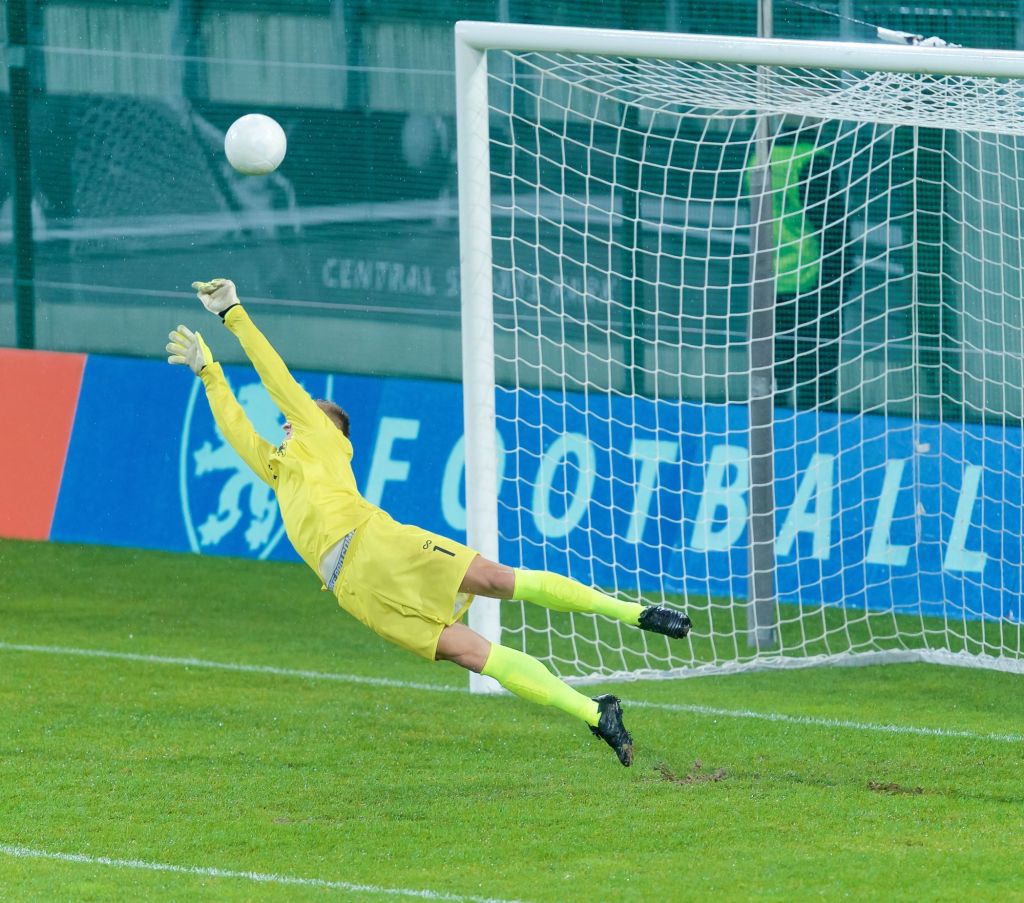
It is paradoxical, yet true, to say, that the more we know, the more ignorant we become in the absolute sense, for it is only through enlightenment that we realize our lack of knowledge – Nikola Tesla
A quote from one of the most revered visionary and genius ahead of his time, Nikola Tesla, was aware of the contemporary illusions of evolution in every aspect of its definition. This statement is more relevant in today’s modern society than it has ever been in the recordings of what we perceive as history. When we mention the word evolution in relation to its contextual function to a particular subject matter, we tend to overplay its importance with the use of such words or cliches. Myself and the majority of people who feel the need to self express and share their thoughts are guilty of such practices but the beauty of life is that regardless of what levels of achievement one has attained, the educational lessons of life is forever endless. One might ask.. what does all this have to do with goalkeeping? My response lies in a key observation rooted in psychology, inspired by an intriguing article from a renowned goalkeeper expert that I’m about to share.
I came across a post on LinkedIn authored by Frans Hoek, a renowned goalkeeping coach, consultant, analyst, innovator and goalkeeping mentor for elite goalkeepers and coaches. In the post he mentioned the word “Goalplayer” and I didn’t understand what the word meant or what he was describing as far as football was concerned until I discovered that this is a new term currently being promoted to replace the word “Goalkeeper”. Furthermore, at a recent IGCC (International Goalkeeper Coaches Conference) zoom call meeting hosted by Phil Wheddon , the term “Goalplayer” was briefly discussed as an idea that is floating around goalkeeping. Why would anyone feel the need to replace a ageless worldwide recognized terminology was a question that I needed to unravel, since the buzz about this new terminology could potentially possess some form of intrinsic value to aid in the development of the artform. As I was about to embark on my mission, the answer to my question was presented to me from the source himself, Mr Hoek, in the form of another post he dropped on the platform accompanied with an attached link to an exclusive interview he did with Sky Sports correspondent journalist Adam Bate that was published on the 11th December 2024 titled Birth of the goalplayer: The evolution of Football’s No 1 and the birth of a new type of footballer. I read the exclusive article (a highly recommended must-read) and a number of revealing and intriguing commentary and opinions caught my attention, as much as anyone who is a goalkeeper enthusiast and the goalkeeping community.
To my surprise, I discovered that Sky Sports referred to Mr. Hoek as “The Godfather of Goalkeeping.” This was my first encounter with any information about him, and to drive their point home, they even went so far as to portray him in an image reminiscent of Vito Corleone from The Godfather movie.
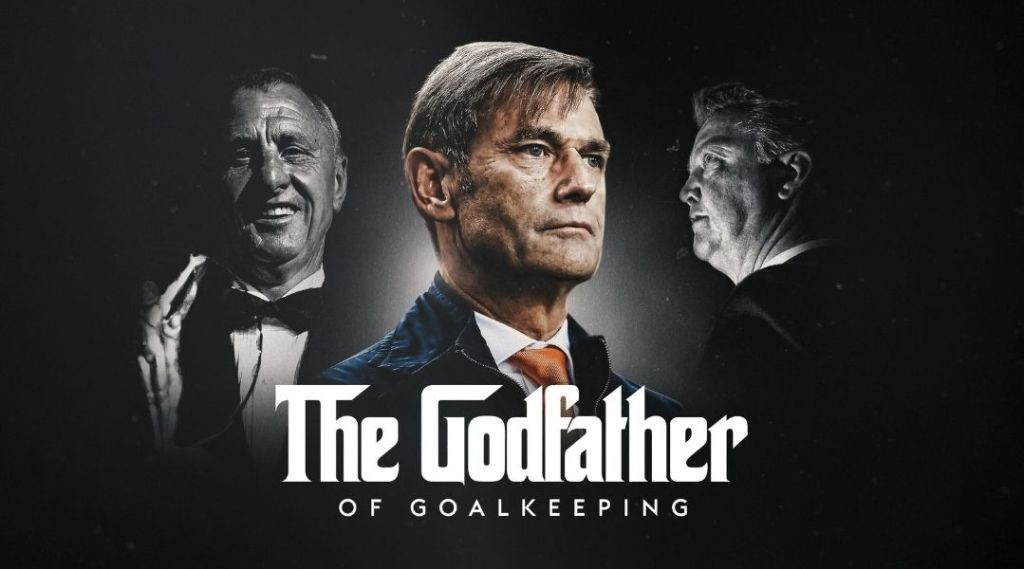
I am well aware of how mainstream media thrives on sensationalism, which leads me to question whether the title was self-proclaimed or attributed by the journalist. Regardless, I can’t help but wonder how the goalkeeping community perceives this portrayal. Upon reviewing his résumé, it’s clear that he has collaborated with top managers at some of the biggest clubs in Europe and England and for his country while also inspiring many through his educational programs. However, it’s worth noting that there are others who have achieved similarly impressive accolades. This observation is important to acknowledge before delving deeper into the debate and its contextual implications. To get the full context of the debate, one must read the article as I cannot cover every point Mr Hoek outlined that inspired the change of the word goalkeeper to goalplayer, but I will discuss some key points and highlight the challenges faced in revolutionizing the word goalkeeper.
Key Points of Discussion
In the beginning of the article, Mr Hoek made a case for the need to evolve the word goalkeeper to goalplayer to reflect the evolution of goalkeeping in the modern era. To his knowledge, no one has come up with an argument against the term goalplayer.. except for one person who told him that for 10 years, when they come to claim the ball, they say ‘keeper‘. I believe this was a perfect opportunity for Mr Hoek to make a presentation on how the new word goalplayer can be utilized in this scenario, which is contrary to the basic fundamental rule of protocol of a goalkeeper. Maybe he did make a presentation but it was not in the article as far as I know.
About halfway through the article, he highlighted the sheer number of goalkeeping coaches now present in football clubs, academies, and goalkeeping institutions, contrasting it with his era when such coaches were rare. One might expect this abundance to result in a surplus of high-quality goalkeepers, yet the opposite is true (I completely agree!). This trend has become so widespread that the stagnation in goalkeeping skill development in the discipline of shot-stopping is increasingly apparent to those who possess the acumen for the composition of the artform. To mask this deficiency, a lot of emphasis has been made to get the goalkeeper to be actively involved in ball possession and the attacking phases of the game and this will require the attainment and development of footballing skillset, just like the outfield players. This is obviously a positive move to enhance the role of the goalkeeper and influence team performance and tactical game dynamics, but we must not lose sight of the fact that these methodologies are applicable in the highest level of the game. One of Mr. Hoek’s key arguments for adopting the term “goalplayer” as an upgrade in comparison to goalkeeper is that a significant portion of goalkeeping activity revolves around ball possession, a point he supported with data metrics. While this observation is widely accepted, the percentages tend to decline when data analytics are applied to lower leagues, highlighting the disparity in the quality of football across different league levels. It is also worth noting that even if the data suggests that the majority of goalkeeping activities are mostly centered on ball possession, goals conceded by goalkeepers are on the rise, especially at top flight football. A prime example is André Onana’s debut season at Manchester United, during which he conceded more goals in a single Premier League campaign than any other goalkeeper in the club’s history. This occurred despite his reputation for exceptional footballing and distribution skills, which are highly valued in the modern game.
Another interesting point he made, which I wholeheartedly agree, is the epidemic misuse or the overuse of the block (spreader) save in the modern game and the lack of contextual awareness to address the issue. But a follow-up question from the journalist about his opinions on the idea of substituting goalkeepers in place of outfield players when chasing a game left me perplexed. He responded, “I love it. This is why goalplayer is a good name, ” and then proceed to comment further that the only difference between players and goalkeepers is that goalkeepers wear gloves and coloured shirts. You will never encounter two opposing statements presented as assertions for a specific cause when it comes to goalkeeping and it would be intriguing to gather some insights into the opinions of the goalkeeping community in response.
Challenges Faced for Change
The primary challenge the term “goalplayer” faces is competing against an established and iconic name. “Goalkeeper” is a globally recognized brand, deeply ingrained in football culture, with a distinct identity that symbolizes a unique role and is widely understood for what it represents. When we use the term “evolution” to describe change, which is a constant process, it applies more to “action” than “words.” This aligns with the natural law of cause and effect, which states that every action has an equal and opposite reaction. Moreover, data analytics coupled with storytelling plays a leading role in driving evolution, as it stems from human thoughts, actions, and experiences. For the term “goalplayer” to replace the well-established brand “goalkeeper,” it will require concrete data to support its consideration and acceptance. For this reason, the key challenges faced will entail:
- Governing Bodies Adoption
- Stakeholders Adoption
- Goalkeeping Community Adoption
- Impactful Effect on The Women’s Game
- Intrinsic Value of Change
Governing Bodies Adoption
This will be the biggest challenge because Governing bodies like FIFA will have to revise a number of rules and regulations mandatory to the position of a goalkeeper to accommodate the new term goalplayer. At times, where FIFA even tried to modify the game to create more entertainment (like the proposals made in 1995 to increase the size of the goalpost) was overwhelmingly rejected by stakeholders of the game. If the term is officially put forward as a replacement backed with the current proposed reasoning , it would not be sufficient enough to warrant the change and would be shelved.
Stakeholders Adoption
Sports companies, goalkeeping institutions, mainstream media, goalkeeper wear manufacturers, investors, big sports data tech companies, football agencies and other entities that are associated with goalkeeping will have to undergo a revolutionary change on each individuals business operations. Glove brands and manufacturers would be taking huge risks by dropping a worldwide branded name and replacing it with a somewhat novel and derivative in nature. This argument, coupled with other variable factors connected to business modelling, will be the focal point of concern by the rest of the individual entities in the goalkeeping ecosystem.
Goalkeeping Community Adoption
Without a shadow of a doubt, the community at large will find the change extremely overbearing as replacing “goalkeeper” with “goalplayer” might lead to semantic bleaching by weakening the sense of the role’s importance, expertise, or specialization. We have to bear in mind that the majority of the display in performances of the art of goalkeeping is done below the elite level, and the word goalplayer can be applicable at that level of superiority. A major overhaul would alienate the non-elites from their role as goalkeepers as they become disillusioned to the revised guidelines and requirements, especially on grassroot levels of the game.
Impactful Effect on The Women’s Game
The women’s game is gaining well-deserved popularity and attention but still has progress to make in achieving the same level of quality and intensity as the men’s game. This is particularly evident in the realm of goalkeeping, where skillsets are currently evolving to meet the standards of their outfield counterparts. Dedicated goalkeeping coaches are working tirelessly to enhance these abilities across all disciplines, especially in shot-stopping. However, introducing the concept of a “goalplayer” into the women’s game prematurely could be counterproductive. For instance, as suggested by Mr Hoek, substituting a goalkeeper for an outfield player while chasing a game in women’s football could lead to disastrous outcomes, undermining the credibility and integrity of the sport.
Intrinsic Value of Change
Change happens when something of value can be gained from the previous state that supports growth or evolution. This naturally raises the question: What value or measure of value is being created? It’s a valid inquiry, particularly for goalkeepers, goalkeeping coaches, institutions, communities, and other stakeholders in the game who must evaluate the potential benefits both individually and collectively. Goalkeepers would want to maintain their identity as goalkeepers, and the same applies to goalkeeping coaches—unless, hypothetically, there is a compelling incentive that justifies adopting the change at a professional level. The same holds true for stakeholders, who will continue to thrive and gain significant value from the goalkeeper brand. Adopting the “if it ain’t broke, don’t fix it” mindset within the corporate realm ensures that changes are implemented only when prompted by relevant events or circumstances.
Conclusion
This editorial aims to spark a debate about the evolving perception of the goalkeeper as a “goalplayer,” rather than criticize the emergence of this ideology. Sky Sports aptly described Mr. Hoek as one of the game’s great innovators, and with his impressive credentials, he is undoubtedly qualified to propose such a transformative concept.
Who am I to dispute the facts? However, as a member of the goalkeeping community, I feel a responsibility to share my perspective, just as everyone else has the right to voice their opinions, regardless of their social standing or qualifications. Encouraging open dialogue fosters a collaborative environment where ideas can be discussed and debated freely, paving the way for natural and organic change over time. We are all too aware of gatekeepers of established institutions and organizations that strive on information and power preservation by dictating what the next reality is to the consumers, and how that has the potential to be of detriment. An obvious and extreme example are the aftermath of the recent world pandemic response by NGOs and government officials, Congressional and Parliamentary Covid-19 enquires into misinformation and disinformation centered around one Dr Anthony Fauci, the self-proclaimed “Mr Science”. As a result, more people are beginning to realize the importance of exercising their right to express their views, especially on issues that directly or indirectly impact their lives. It is this sense of shared responsibility that empowers meaningful conversations and drives constructive change.
Will the term “goalplayer” prove to be a passing trend, or could it, against all expectations, become widely accepted as the future of goalkeeping? It all depends on how far reaching in the goalkeeping ecosystem Mr Hoek intends to create the adoption of the term. As I mentioned earlier in the article, the women’s game at the highest level will struggle to adopt the term since its still behind on the levels of development in quality and intensity output. This will be one of the main challenges faced for its wide acceptance. My prediction is that if the term does gain traction, it is likely to find its place primarily at the men’s elite level, where it would need to be distinguished as a separate identity from the traditional “goalkeeper.” Currently, in some top-tier teams, there are goalkeepers who excel as shot-stoppers but are outshined by their first choice counterparts in footballing skills, such as maintaining possession and initiating tactical attacks. This dynamic could lead to a groundbreaking shift in the game, where two distinct positions emerge to guard the goalpost at the elite level. Managers might then have the option to deploy either a goalkeeper or a goalplayer, depending on opposition analysis reports and specific in-game scenarios.
It would be interesting to hear and read different points of view from the goalkeeping community and the footballing spectrum as this can potentially become the pivotal moment in the evolution of the art of goalkeeping.
The Final Destiny
ULTIMATE KEEPER
 KEEPERS KORNER